Navigating the world of insurance can feel like wandering through a labyrinth without a map. But fear not, because when it comes to filing a claim with Allstate in Warwick, RI, we have crafted a guide that turns complexity into simplicity. Whether you’re a seasoned policyholder or a first-timer, understanding the ins and outs of filing an insurance claim with confidence is just a read away.
Join us on a journey where clarity meets creativity, as we unravel the mysteries behind insurance policies and claims. Discover the secrets to maximizing your benefits, avoiding pitfalls, and ensuring a smooth resolution process. Let’s empower you with the knowledge to handle your insurance claims like a pro!
Understanding Allstate Insurance Policies

In the bustling city of Warwick, RI, Allstate stands as a beacon of reliability for those seeking comprehensive insurance solutions. As you navigate the complex world of insurance, understanding the different policies offered by Allstate is crucial.
Allstate offers a wide array of insurance policies tailored to meet various needs. From auto and home to life and business insurance, each policy is designed to provide peace of mind and protection against unforeseen events.
Types of Insurance Policies Offered by Allstate
Allstate’s portfolio includes auto insurance for cars, trucks, and motorcycles, home insurance to protect your valuable real estate, and life insurance to secure your family’s future. They also provide business insurance to safeguard your commercial ventures and renter’s insurance for those leasing properties.
Coverage Options in Warwick, RI
In Warwick, RI, Allstate policyholders have access to a variety of coverage options. These include liability coverage, collision coverage, and comprehensive coverage for vehicles. Homeowners can benefit from dwelling protection, personal property coverage, and liability protection. Life insurance options range from term to whole life policies.
Comparing Allstate and Other Providers
When comparing insurance providers, it’s essential to consider both benefits and limitations. Allstate’s policies are competitive, offering robust coverage and exceptional customer service. Let’s delve into a comparison of Allstate’s offerings versus other providers:
| Feature | Allstate | State Farm | GEICO |
|---|---|---|---|
| Auto Insurance Discounts | Safe Driver, Multi-policy | Good Driver, Multi-car | Anti-theft Device, Military |
| Home Insurance Coverage | Dwelling, Liability, Personal Property | Dwelling, Loss of Use, Personal Property | Dwelling, Earthquake, Flood |
| Customer Service Ratings | 4.5/5 | 4/5 | 4/5 |
Choose an insurance provider that aligns with your specific needs and offers the best combination of coverage options and customer service.
Preparing to File a Claim with Allstate
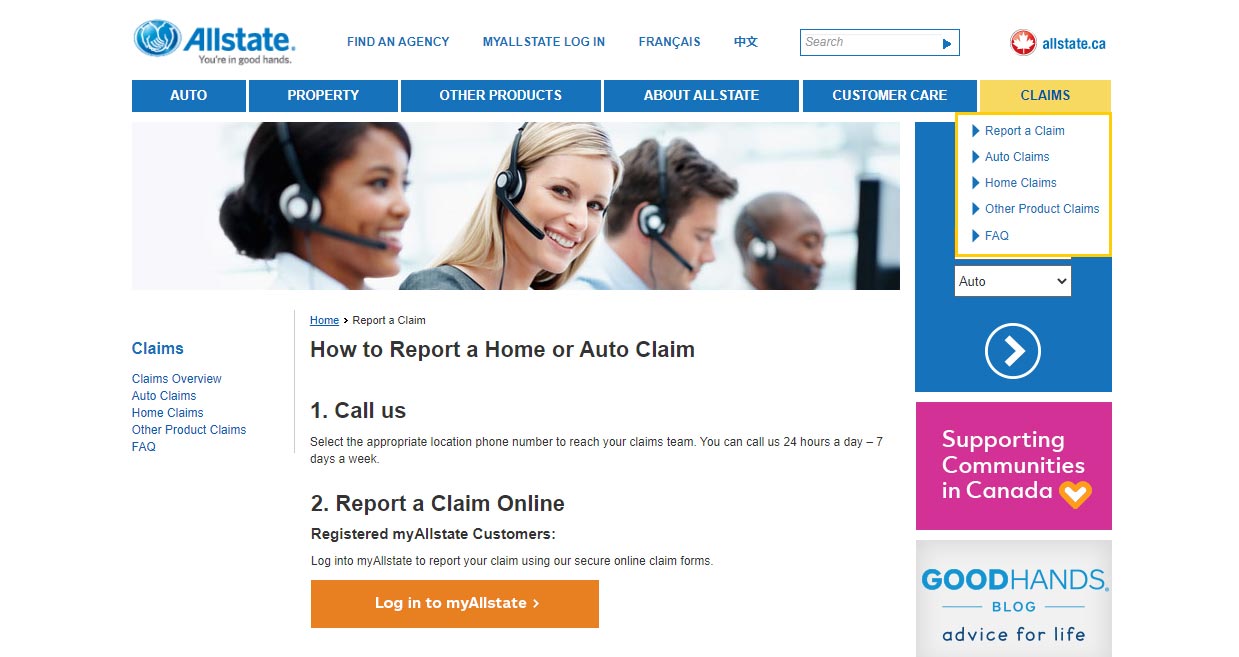
Embarking on the journey to file a claim with Allstate can feel like stepping into uncharted territory. Yet, with the right preparation, you can navigate the process smoothly and efficiently.
Gathering all the necessary documentation and understanding the steps you need to take can be the difference between a successful claim and a frustrating experience. Let’s dive into what you need to know to prepare effectively.
Identify the Necessary Documentation Needed to File a Claim
Ensuring you have all the required documents is crucial. Missing paperwork can delay the process and potentially affect the outcome of your claim. Make sure you have:
- Policy Number: Your Allstate insurance policy number is essential for filing a claim.
- Incident Details: From the date and time to the location and circumstances, be meticulous about the details.
- Photographic Evidence: Clear photos of any damage can be pivotal in substantiating your claim.
- Police Reports: If applicable, a police report can serve as official documentation of the incident.
- Repair Estimates: Obtain estimates from certified professionals to provide a clear picture of potential expenses.
Step-by-Step: Gathering Evidence for a Claim
Getting your evidence right is the cornerstone of a successful claim. Follow these steps to ensure you don’t miss anything:
- Document Immediately: As soon as an incident occurs, take photos and notes. The fresher the evidence, the more reliable it is.
- Contact Witnesses: If there are any witnesses, gather their contact details and statements while their memories are still fresh.
- Keep All Correspondence: Save all communications with relevant parties, including emails and messages regarding the incident or repairs.
- Review Your Policy: Understand what is covered and any exclusions that might apply to your situation.
Common Mistakes to Avoid When Preparing a Claim
Avoiding pitfalls is just as important as taking the right steps. Here are some common mistakes to steer clear of:
| Mistake | Why It’s a Problem |
|---|---|
| Procrastinating Documentation | Delaying documentation can lead to forgotten details and weaker evidence. |
| Overlooking Policy Details | Not understanding your policy can result in filing for non-covered claims. |
| Ignoring Small Details | Seemingly minor details can often make a big difference in claim approval. |
Checklist for Claim Documentation Readiness
Before you hit “submit” on your claim, ensure you’ve got everything covered with this checklist:
- Allstate Policy Number
- Incident Summary and Details
- Photos/Videos of Damage
- Police Report (if applicable)
- Repair Quotes
- Witness Information
- Copy of Policy Coverage
“The secret of getting ahead is getting started.” – Mark Twain
With these tools and insights, you’re well on your way to a successful claim with Allstate.
The Claim Filing Process

Navigating the claim filing process with Allstate in Warwick, RI may initially seem daunting, but with the right information, it can be a straightforward experience. Let’s delve into the various methods and strategies to ensure your claim is filed efficiently.
Understanding the steps involved in filing your claim is crucial. Whether you choose to file online, via phone, or in-person, each method has its own set of procedures and advantages.
Methods for Filing a Claim with Allstate
Allstate offers flexibility in how you can file a claim, allowing you to choose the method that best suits your needs. Consider the following options:
- Online: For tech-savvy individuals, the Allstate website or mobile app is the most convenient way to file a claim. Simply log in to your account, navigate to the claims section, and provide the necessary details about your incident.
- Phone: Prefer to speak with someone directly? Call Allstate’s customer service line to talk to a representative who can guide you through the process.
- In-Person: Visit a local Allstate branch in Warwick, RI, to file your claim face-to-face with a representative. This method can provide a more personal touch and immediate support.
Communicating Effectively with Allstate Representatives
When interacting with Allstate representatives, clear and concise communication is key. Here are some tips to ensure a productive conversation:
- Prepare all your information beforehand, including your policy number, details of the incident, and any supporting documents.
- Be honest and thorough in your description of the event. Transparency can help expedite your claim process.
- Ask questions if you’re unsure about any part of the process. The representatives are there to assist you and clarify any doubts.
Claim Process Timeline Flowchart
Visualizing the claim process can help you understand what to expect from filing to resolution. Here’s a simple flowchart to guide you:
Flowchart:
- Filing the Claim: Choose your method (online, phone, in-person).
- Claim Review: Allstate examines your submitted information and documents.
- Investigation: Additional information may be requested to assess the claim.
- Resolution: Allstate decides on the claim outcome and communicates it to you.
- Settlement: If approved, payments or repairs are arranged.
Follow-Up and Claim Resolution

After you’ve submitted your claim with Allstate, the journey doesn’t end there. Staying proactive and informed is key to ensuring your claim is handled efficiently and to your satisfaction.
Understanding the follow-up process can make a significant difference in the outcome of your claim. Let’s dive into the steps you should take after filing a claim with Allstate, the challenges you might face, and how to negotiate a fair settlement.
Necessary Follow-Up Actions
Once your claim is submitted, it’s crucial to maintain a steady line of communication with Allstate. Regular follow-up ensures that your claim remains a priority.
- Set reminders to check the status of your claim weekly.
- Document every conversation and correspondence with your claims adjuster.
- Provide any additional information or documentation promptly if requested.
Challenges and Solutions in the Claim Resolution Process
Challenges during the claim resolution process can arise, but knowing how to address them will keep you ahead of the game.
- Delayed Responses: If you experience communication delays, reach out via multiple channels such as phone, email, and social media to expedite responses.
- Disputed Liability: If liability is contested, gather additional evidence and consult with a legal advisor if necessary.
- Underestimated Damage: Obtain independent appraisals to support your claim and challenge low estimates.
Strategies for Negotiating a Fair Settlement
Negotiating with an insurance company can be daunting, but with the right strategies, you can secure a fair settlement.
- Research similar cases and settlements to understand what you can realistically expect.
- Prepare a detailed account of damages and associated costs to present a strong case.
- Remain calm and polite during negotiations, but be firm about your expectations.
Persistence and preparation are your allies in claim resolution.
Common Resolution Timelines and Outcomes
Understanding typical timelines and outcomes can help set realistic expectations.
| Resolution Stage | Average Timeframe | Possible Outcomes |
|---|---|---|
| Initial Response | 7-10 Business Days | Claim Review/Request for More Information |
| Investigation | 2-4 Weeks | Approval/Denial of Claim |
| Settlement Offer | 1-2 Weeks Post-Investigation | Negotiation/Further Evaluation |
| Final Resolution | 1-3 Months | Payout/Appeal Process |
Understanding Payout and Compensation

When the unexpected happens, knowing how Allstate calculates your claim payout can provide peace of mind. Let’s dive into the specifics of how compensation is determined and what factors come into play.
Allstate’s approach to claim payouts involves a meticulous calculation process that considers multiple variables. These include the type of insurance policy, the nature of the claim, and the specific circumstances surrounding the incident. By understanding these elements, you can better anticipate your compensation.
How Payout Amounts Are Calculated
Allstate employs a comprehensive evaluation method to determine the payout for each claim. The calculation begins with assessing the actual cash value of the damaged property or the cost of repair. They factor in depreciation based on age and condition, which affects the final compensation amount. This ensures the payout is fair and reflective of the true value of the loss.
Factors Influencing Compensation Levels
Several critical factors influence the compensation you receive from Allstate:
- The type of policy coverage you have, such as comprehensive or collision insurance.
- The deductible amount that applies to your policy, which is subtracted from your total payout.
- Any applicable policy limits that cap the maximum payout you can receive.
- The specifics of the incident, including fault determination and extent of damages.
Understanding these elements can empower you to make informed decisions when selecting your policy or reviewing a claim outcome.
Compensation Scenarios Based on Claim Types
Different types of claims can result in varied compensation outcomes. Here’s a comparison of typical scenarios:
| Claim Type | Common Factors | Typical Payout Process |
|---|---|---|
| Auto Collision | Vehicle age, repair costs, liability | Estimate, adjuster review, payout |
| Home Damage | Extent of damage, repair/replacement costs | Inspection, adjuster evaluation, payout |
By comparing claims, you can see how different factors affect the total compensation, helping you set realistic expectations.
Successful Claim Case Study
Consider the story of Jane, an Allstate policyholder in Warwick, RI. After her home was damaged in a storm, she filed a claim. Through thorough documentation and consistent follow-up, Jane successfully navigated the claim process and received a fair payout that covered all repair expenses. Her proactive approach and understanding of her policy details played a pivotal role in achieving a favorable outcome.
“Knowing what influences your claim can make all the difference.”
Jane’s experience exemplifies the importance of understanding your insurance policy and the claims process, turning potential challenges into successful resolutions.
Legal and Policyholder Rights

When filing an insurance claim with Allstate in Warwick, RI, understanding your legal rights as a policyholder is crucial. Navigating the claims process can be challenging, but being informed empowers you and ensures that your interests are protected.
Policyholders have specific rights that safeguard their interests during the claims process. It’s essential to know these rights to ensure that the process is fair and transparent. Additionally, if a claim is denied or delayed, policyholders have legal avenues to challenge these decisions.
Policyholder Rights During the Claim Process
As a policyholder, you have the right to a timely and fair investigation of your claim. Insurance companies are obligated to handle claims efficiently and without undue delay. You are also entitled to clear communication regarding your claim status and any decisions made by the insurer.
Legal Recourse for Denied or Delayed Claims
If your claim is unjustly denied or delayed, you have options. You can seek legal recourse to challenge the insurer’s decision. In some cases, it may be necessary to file a complaint with the Rhode Island Department of Business Regulation or take legal action to ensure that your claim is handled appropriately.
The Role of a Public Adjuster
A public adjuster can be an invaluable resource in the claims process. They work on your behalf to negotiate with the insurance company and ensure you receive the compensation you deserve. Public adjusters are particularly useful in complex claims or when there is a disagreement regarding the settlement amount.
Critical Legal Considerations for Filing a Claim in RI
When filing a claim in Rhode Island, keep the following legal considerations in mind:
- Understand the terms and conditions of your policy thoroughly.
- Keep detailed records of all communications and documents related to your claim.
- Be aware of the statute of limitations for filing claims in Rhode Island.
- Consider seeking legal advice if you encounter difficulties with your claim.
- Know your rights under the Rhode Island Unfair Claims Settlement Practices Act.
Informed policyholders are empowered policyholders, ensuring fair treatment and just compensation.
Final Thoughts

Embarking on the journey of filing a claim with Allstate in Warwick, RI doesn’t have to be daunting. Armed with the right tools and insights, you can navigate the process with ease and assurance. Remember, knowledge is your greatest ally in this endeavor. By equipping yourself with the information artikeld here, you’re not just filing a claim; you’re claiming your peace of mind. Choose wisely, communicate effectively, and let Allstate be your partner in protecting what matters most.